Table Of Content

Don't forget any entry points, like window sills, backdoors, or baseboards. If used once a week or so, you should see a marked improvement. Observe the trail they walk and consider if there are food or water sources along their route. Whether it is a sticky drop of honey or a spoon under the sink, find what they're looking for and remove it. If you are lucky, the ants will move out on their own once you remove the source of attraction.
Sugar
Vacuum away ants that you see indoors and empty the canister outside. While vinegar itself will not kill ants, you can kill ants with vinegar by drowning them in it. We recommend using a 50/50 vinegar/water solution when cleaning or spraying ants because they do not like the smell, making vinegar a natural way to get rid of ants. Studies show that cinnamon has a compound known as trans-cinnamaldehyde that effectively repels and kills ants. Place ground cinnamon around common entryways and its strong smell will act as a natural repellent. You can also coat cotton balls with cinnamon powder or cinnamon oil and place them near ant-prone areas.
How to Get Rid of Indoor Ants With Store-Bought Solutions
You can find ant traps at many hardware and gardening stores and online. If you’re avoiding toxins, check the ingredients before you buy. If natural options aren’t enough, you can use pesticides and commercially prepared products to eradicate ants. Figuring out how ants are entering your home can help you eliminate an ant infestation and prevent a future one. Try sprinkling the freshly brewed coffee grounds on disposable surfaces (such as index cards) and leaving them in areas where ants congregate, such as pet bowls. Brewed coffee grounds have been found to repel household ants.
natural ways to get rid of ants without chemicals
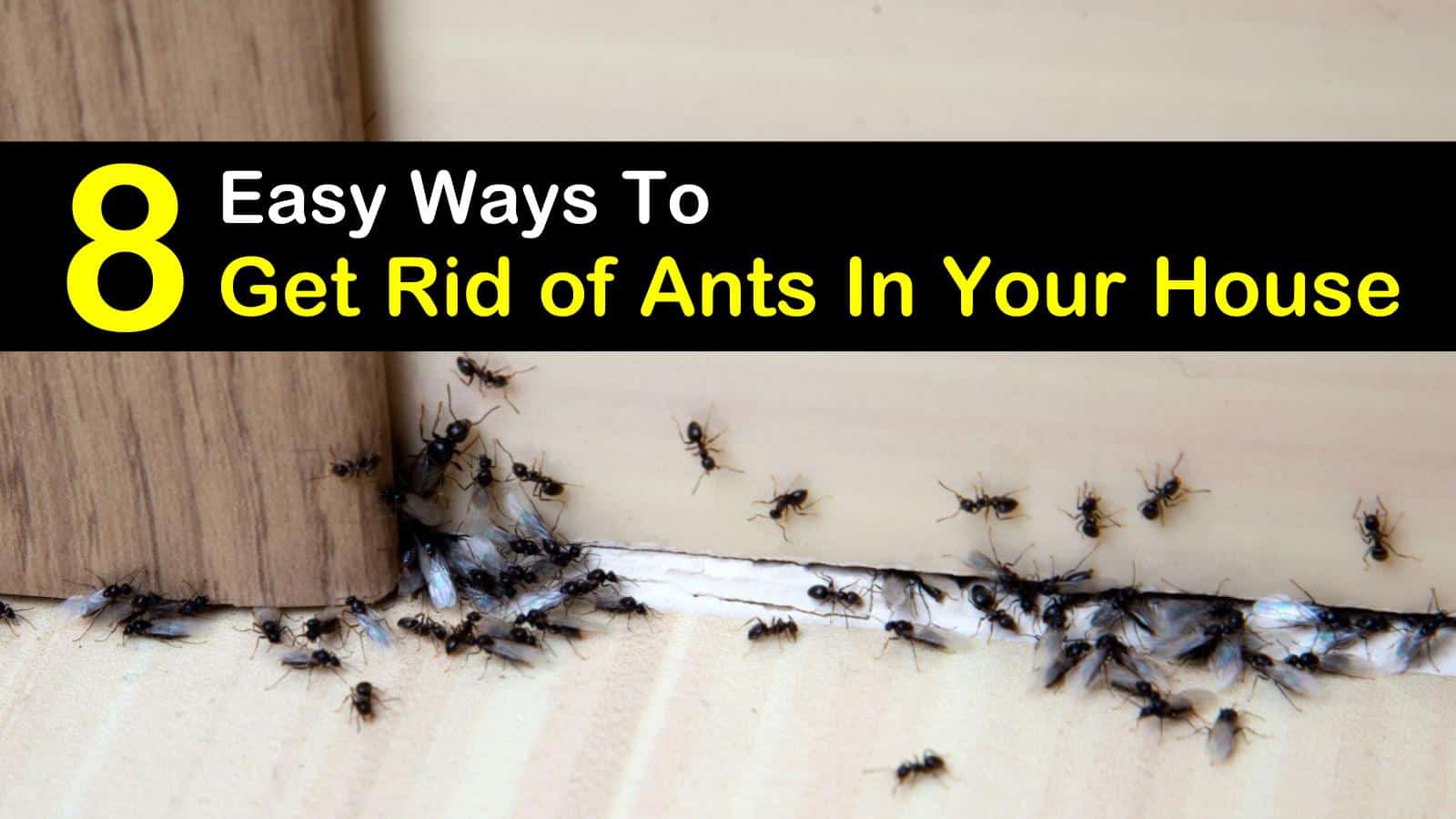
Little black ants are 1/16-inch long with two-segmented abdomens. They can be dark brown to black, but usually very dark black. Carpenter ants are large, ranging from 1/4-inch to 5/8-inch long.
Ant Prevention: Spray Ant Entry Points
How to keep ants out of the house with Mama Mila's two-ingredient kitchen cleaner you can make yourself - Daily Mail
How to keep ants out of the house with Mama Mila's two-ingredient kitchen cleaner you can make yourself.
Posted: Thu, 07 Mar 2024 08:00:00 GMT [source]
What’s more, essential oils are an inexpensive way of leaving your home smelling fresh. Just keep away from pets as essential oils could be harmful if ingested. A 2019 study found that peppermint oil, in varying concentrations, was more effective than lemon juice at repelling fire ants. Additionally, a 2018 study found that peppermint oil was far more effective than vinegar at killing and repelling fire ants. In some tests, 100% peppermint oil killed all the ants that were exposed to it. Mix Borax with equal parts water and sugar to make a syrup, and leave it in the corners where you've noticed ants.
Boric acid, a compound of boron, can be used to trap certain species of ants. Those that eat sugar are attracted to the powder when combined with, well, sugar, but others like carpenter ants and pharaoh ants might not be as responsive. It is toxic to bees, so avoid using it around areas where bees are active, or apply at night when they are inactive and the product has time to dry. You can get it in different formulations that are safe for organic gardens. First things first, it's a good idea to know what kind of ants are taking over your lawn. Since common black ants aren't much affected by aspartame, this hack would be counterintuitive from the get-go, and you're not likely to see any results.
Cayenne or Black Pepper
Cayenne and black pepper are other spices you can use to repel ants and other pests away from your home and yard. After wiping up the deceased ants, coat the areas around windowsills and doors where they normally come inside. You can also use lemon juice instead of vinegar, by mixing it with three parts of water. Mix two teaspoons each with hot water in a small container and place in their path.
Keep Pet Food Away
If you see ants, spray the mixture on them or wipe them up with a paper towel. If you use a general-purpose pesticide to kill ants, be aware that these chemicals can kill helpful insects, such as honeybees and predatory insects, as well as unwanted ants. Use a selective pesticide that targets only ants wherever possible.
You know those packets in pill bottles that prevent moisture? Well, that’s silica, and it’s the stuff that also make diatomaceous earth an effective pest repellent. They’re fossilized algae, and while that’s cool, it’s actually what’s in the diatoms that make it effective — you guessed it, silica. Other than this solution’s pesticide-free perks, there’s also the fact that you likely already have dish soap on hand. If you’re looking to get rid of fruit flies specifically, just add a a bit to a shallow dish and mix with apple cider vingear.
But other than that, it offers a more permanent solution to ant problems. To keep scouts from returning with their friends in tow, quickly clean up spills, particularly honey, maple syrup, and soda. But think twice before you grab a can of bug spray and start crop-dusting your kitchen countertops.
When ants find a food source, they not only consume the bait themselves, but they also carry it back to the nest to share. The hope is that, eventually, the bait will reach the queen through food sharing. Handle your ant issue the wrong way, and your problem could get much worse. Here are all the best pro tips and tricks for natural ant control around your house, and they’re simple enough that you can get started right away. It’s best to use neem oil around plants, especially where you see aphids or ants. Ants farm aphids (small sap-sucking insects), so poisoning the aphids with neem oil can take care of both types of pests.
If you want to avoid synthetic chemicals of any kind, there are a variety of natural controls you can try for eliminating or repelling ants. No one wants to see a line of ants marching across their kitchen counter or slipping in under the back door. Pepper Moran is a pest control expert with over five years experience in educating homeowners on affordable and earth-friendly ways to protect their homes from pests. Attacking the leader of the colony—which is the ant queen—is by far the most effective course of action if you’re able to locate the ants’ nest. Note that some species, like the carpenter ant and Argentine ant, have more than one queen so treating a single nest isn’t going to eradicate the entire colony.
Aphids, scales, mealybugs, and whiteflies may be the culprits. Combine spray glass cleaner with liquid detergent or dish soap to deter ants from coming into your home. The mixture will remove the ant's scented pheromone trail that they leave behind as they walk. Mix in one part boric acid, with three parts sugar or syrup and one part hot water to create a sugary paste. Place the mixture around the entrances to the ant nest if you know where it is, or along active chemical trails.


No comments:
Post a Comment